

Led AI-driven methods to exploit high-risk driving scenarios for AV safety validation. This framework, CORTEX-AVD, led to methods that improved corner case exploitation by 23%.
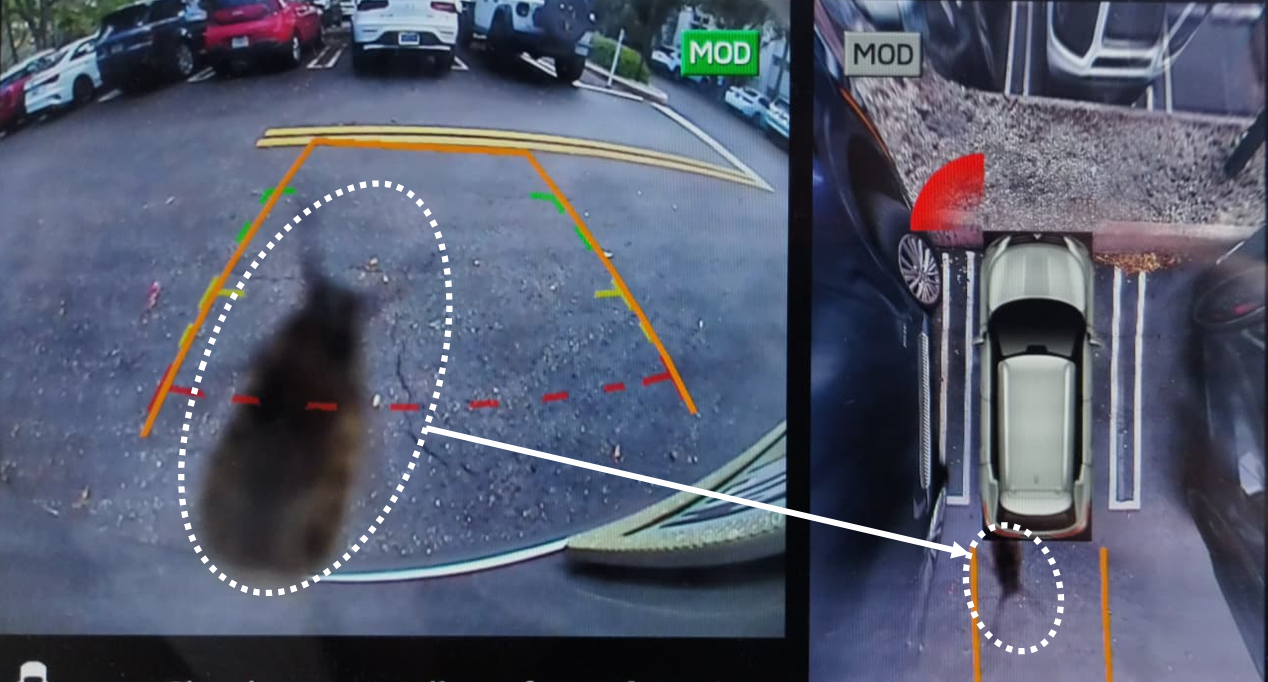
As part of an international collaboration with Stanford University and University of Miami, developed the safety investigation framework for comprehensive fault injection experiments. Conducted over 110,000 simulation runs with 2,200 parameter variations, generating a 27.6M-line dataset for system reliability analysis.
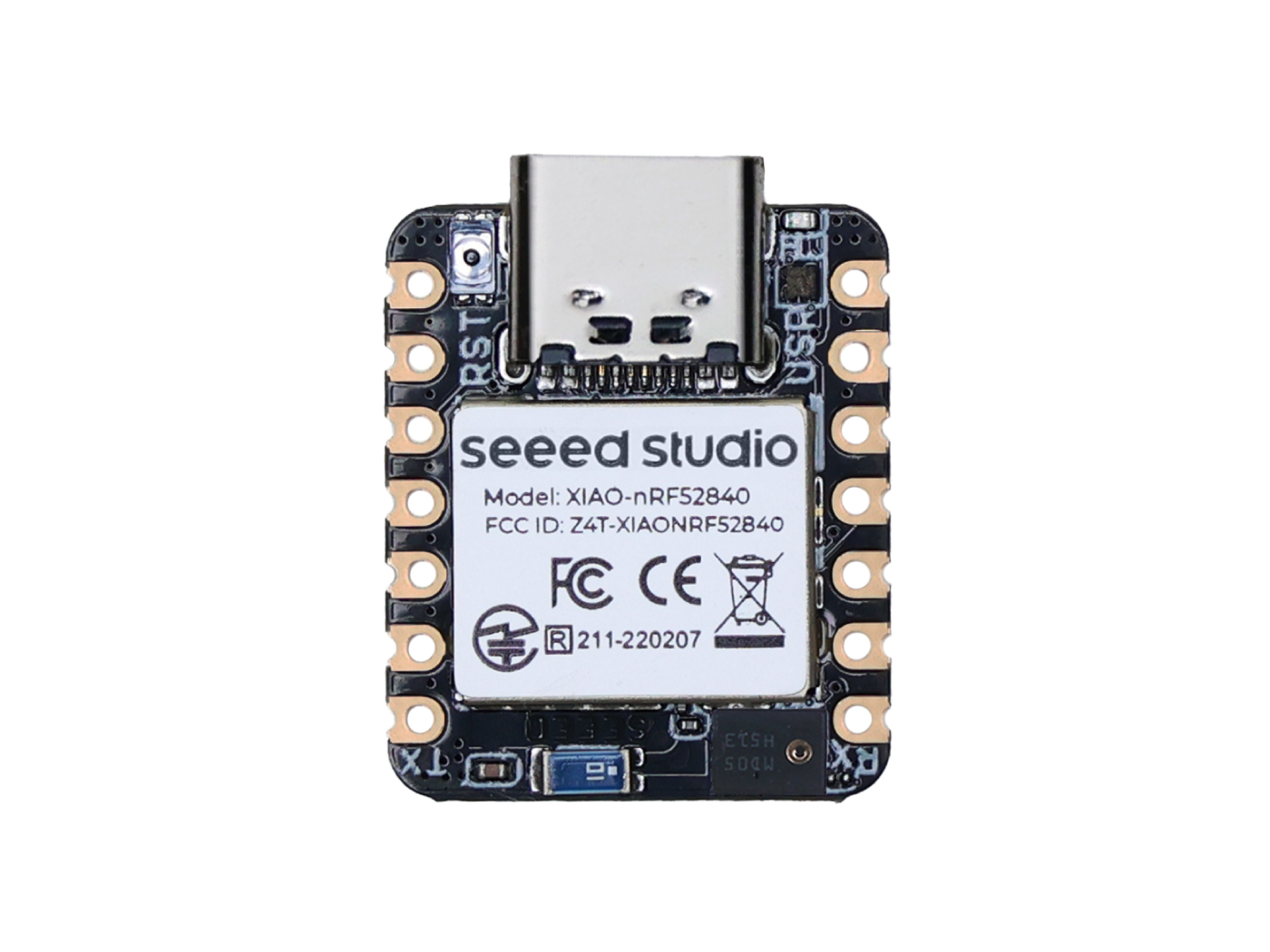
This research project investigates scalable frameworks for optimizing ANNs on embedded IoT devices. My core contribution involved managing the experimental setup, conducting over 7 million ANN training experiments to optimize performance using Genetic Algorithms and Hardware-in-the-Loop (Arduino) strategies.
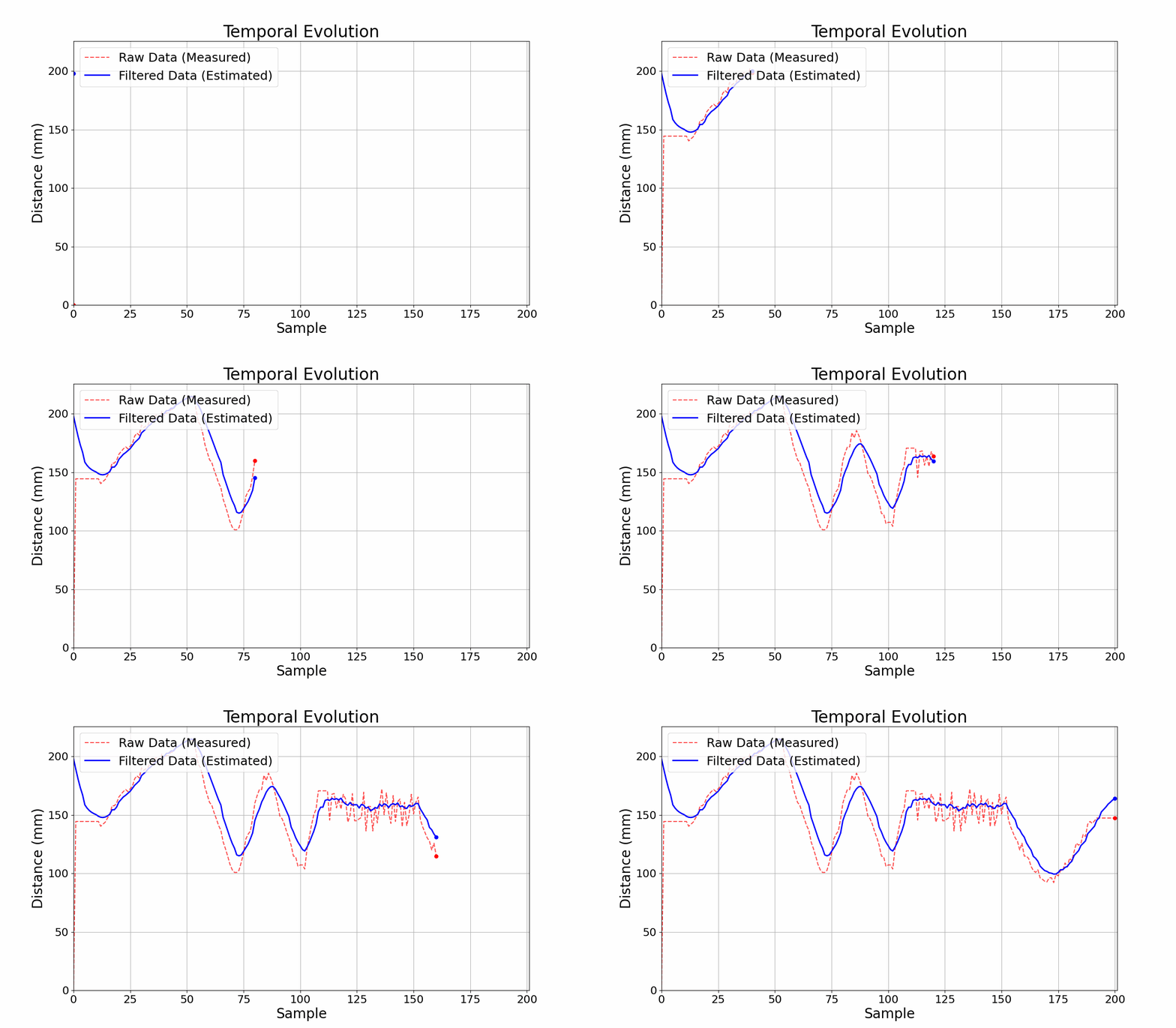
Awarded 1st Place (Best Project). This project successfully implemented a theoretical Bayesian filter as a high-performance, real-time system on hardware. We engineered the solution in VHDL for an FPGA to process data from low-cost ultrasonic sensors (HC-SR04), achieving significant noise reduction and validating the paper's concepts in a physical implementation.

This research line investigates efficient ML classifiers for software testing. Building on previous work, my contribution, 'Making More with Less', introduced cross-project, cross-language, and cost-sensitive training. This work is now being extended into a series of subsequent papers on optimizing software test outcomes.

This research line applied ML to educational challenges. One paper introduced a novel ANN approach for imbalanced datasets to predict student dropout. The subsequent paper provided a comprehensive comparison of ML techniques and metrics for academic performance prediction.